

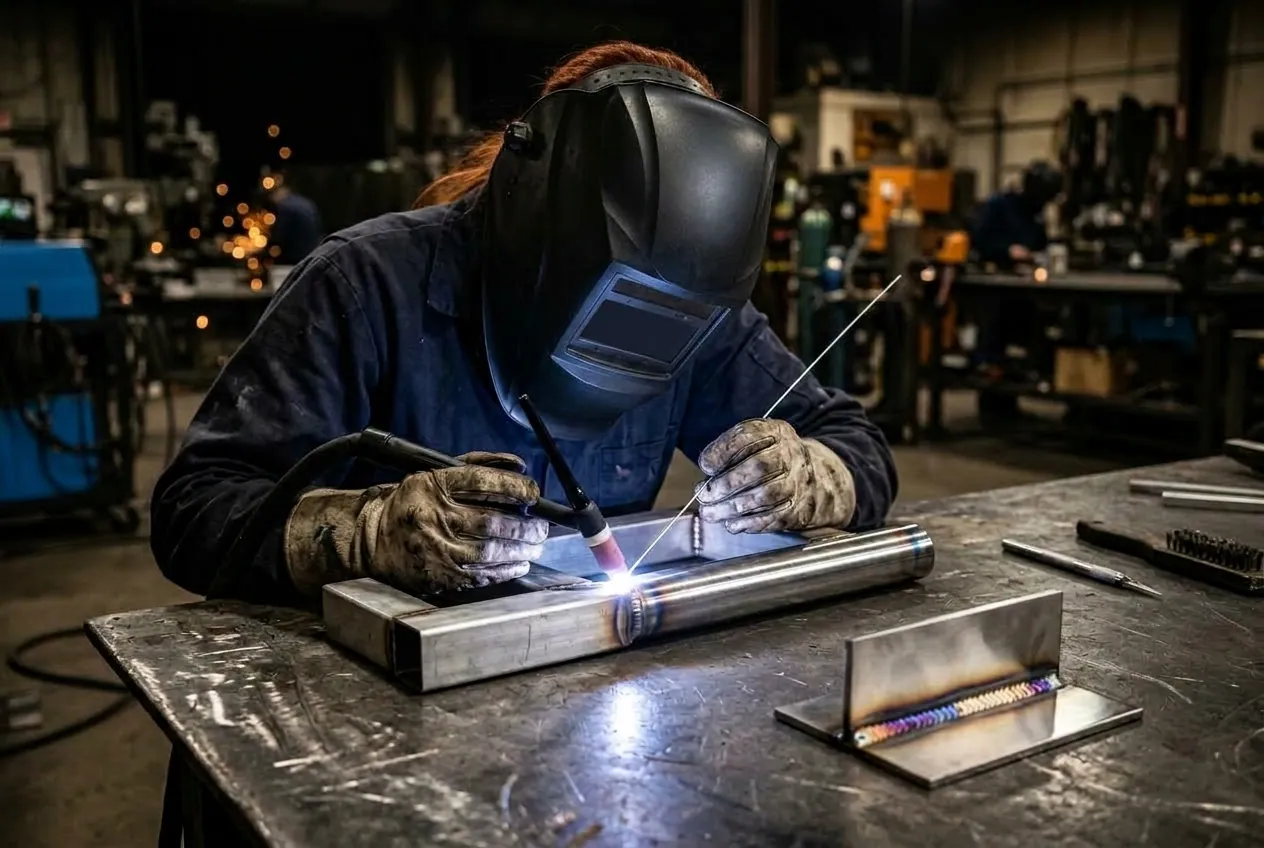
Aluminium and Stainless Welding
Aluminium and stainless steel behave differently from mild steel. We weld them with the process, gas and filler each one needs, for sound and clean joints.
Welding to suit the material
Aluminium conducts heat very quickly and its oxide layer makes welding harder, so we pay close attention to surface preparation, heat settings and a filler that suits the alloy.
Stainless steel tends to distort and discolour with heat. We keep the heat input low, use the right shielding gas and clean the weld afterwards so the steel keeps its corrosion resistance.
- Stainless worktops, tanks and enclosures
- Stainless railings and handrails
- Aluminium frames, housings and profile joints
- Furniture and decoration parts
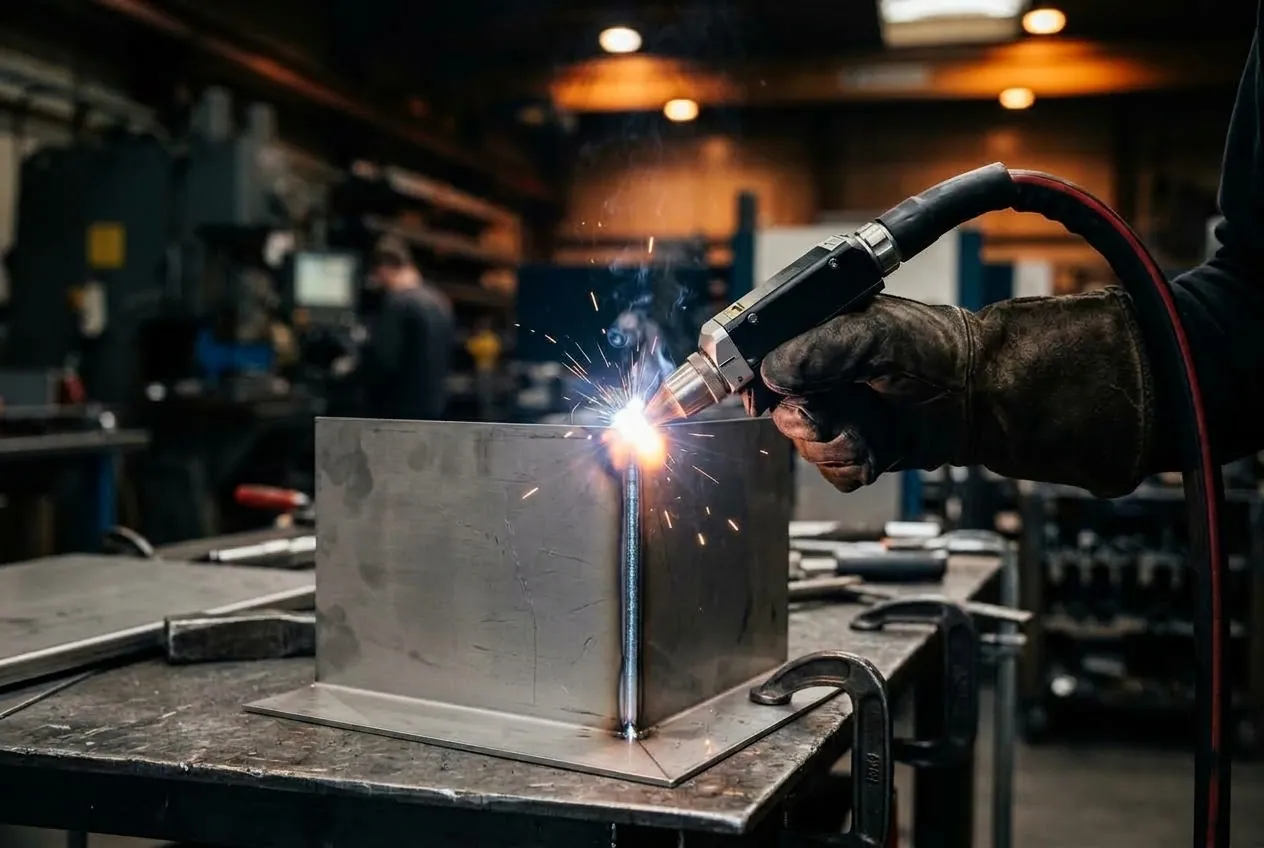
What the right process brings
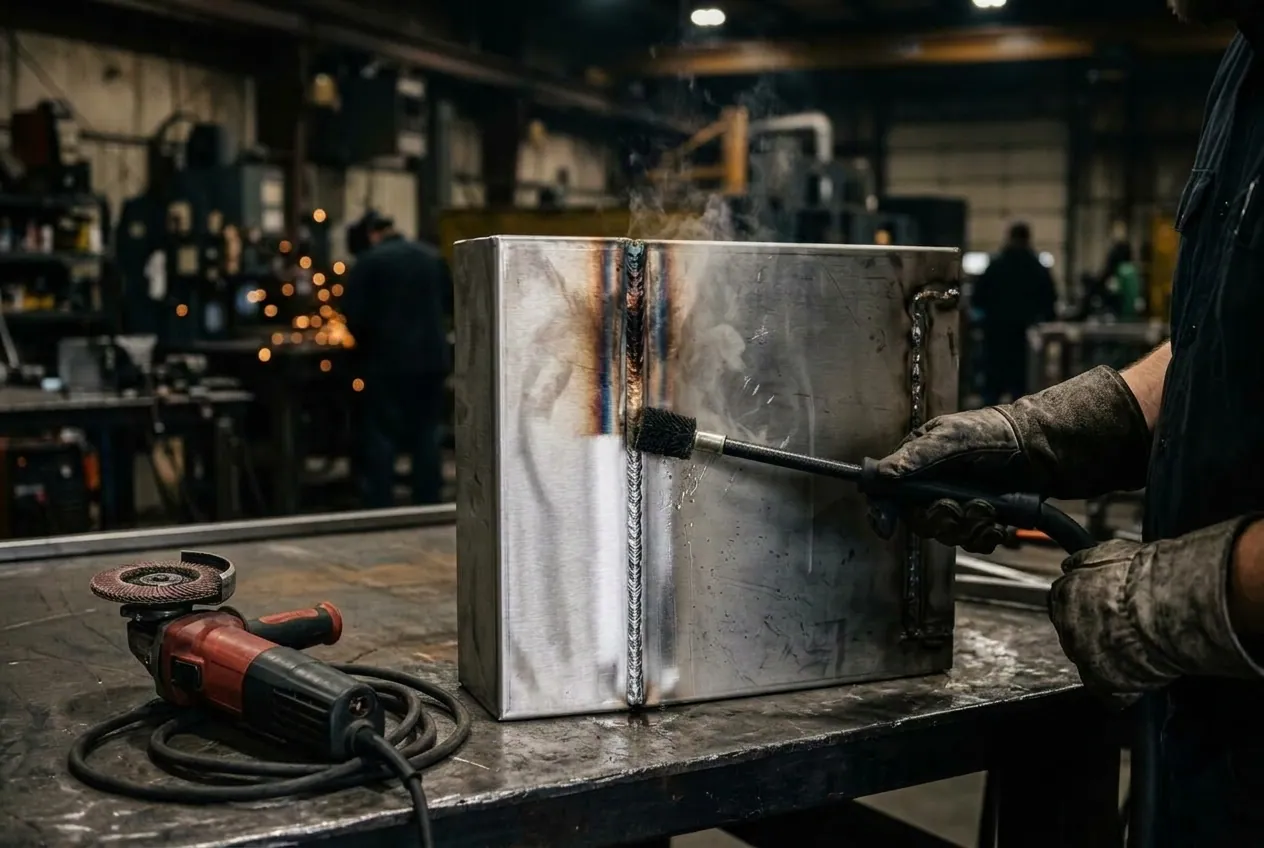
Clean stainless
Low heat input and post-weld cleaning keep stainless bright and corrosion resistant.
The right filler for aluminium
Matching filler wire and surface preparation for pore-free, sound welds.
Controlled heat
Keeping the heat under control keeps distortion and discolouration to a minimum.
Laser or TIG
Depending on the part we use laser welding or TIG welding.
Weld cleaning
We remove heat tint and residue and deliver the part ready to use.
Aluminium and stainless welding questions
Quick quote
Send your drawing by e-mail or WhatsApp and we will come back quickly with material, quantity and lead time.
Why is aluminium harder to weld?
Aluminium conducts heat quickly, melts at a low temperature and carries an oxide layer, so it needs the right surface preparation, heat settings and filler.
Can stainless rust after welding?
If the heat tint from welding is left on, corrosion resistance can drop. That is why we clean the weld afterwards, so the stainless keeps its resistance.
Do you coat aluminium parts?
Yes. Aluminium parts can be powder coated in the same shop if you wish; stainless parts are usually delivered cleaned, with their natural finish.
Other welding services
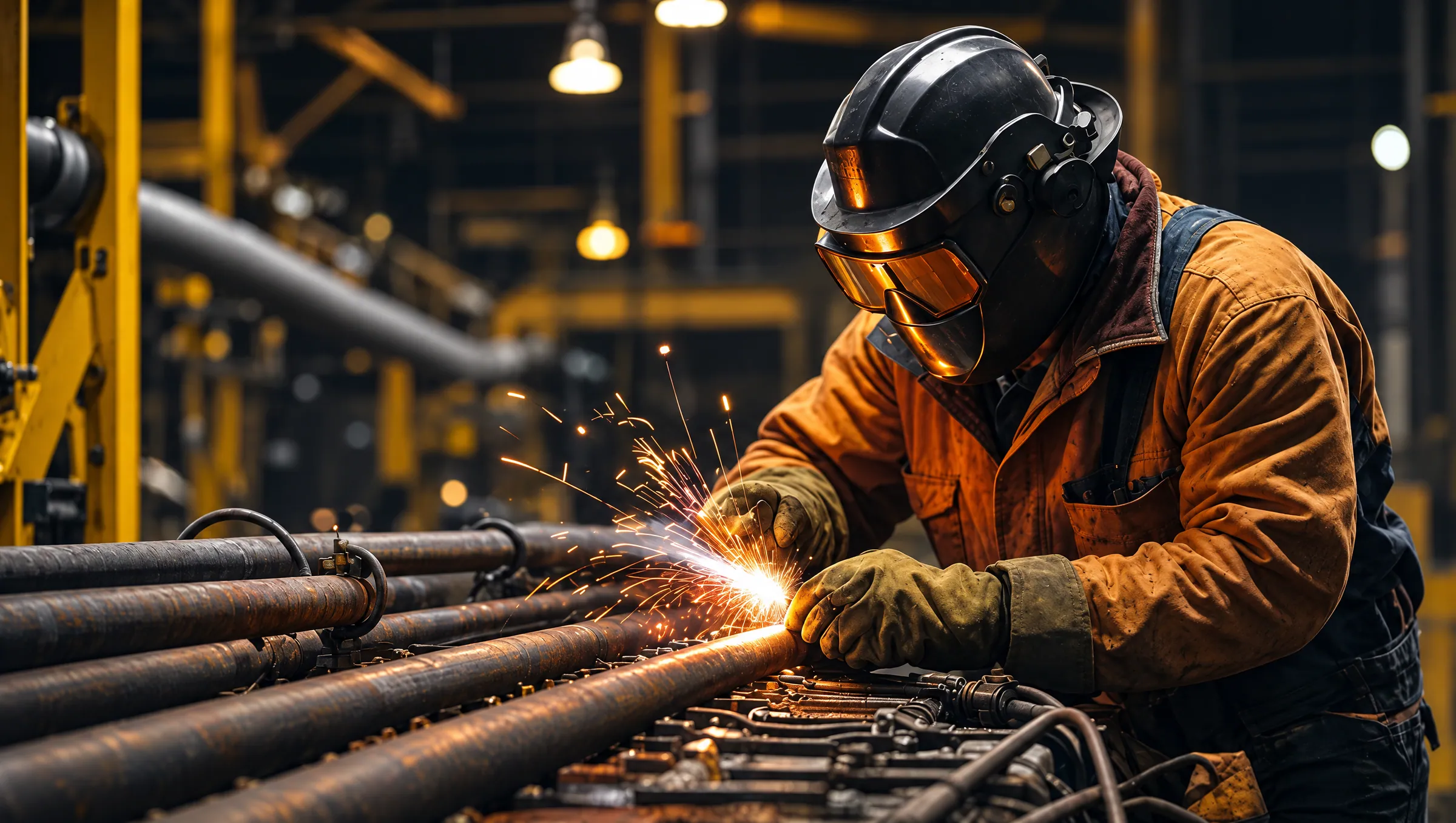
Get a quote for aluminium or stainless welding
Send the material, thickness and quantity together with a drawing or a photo.